
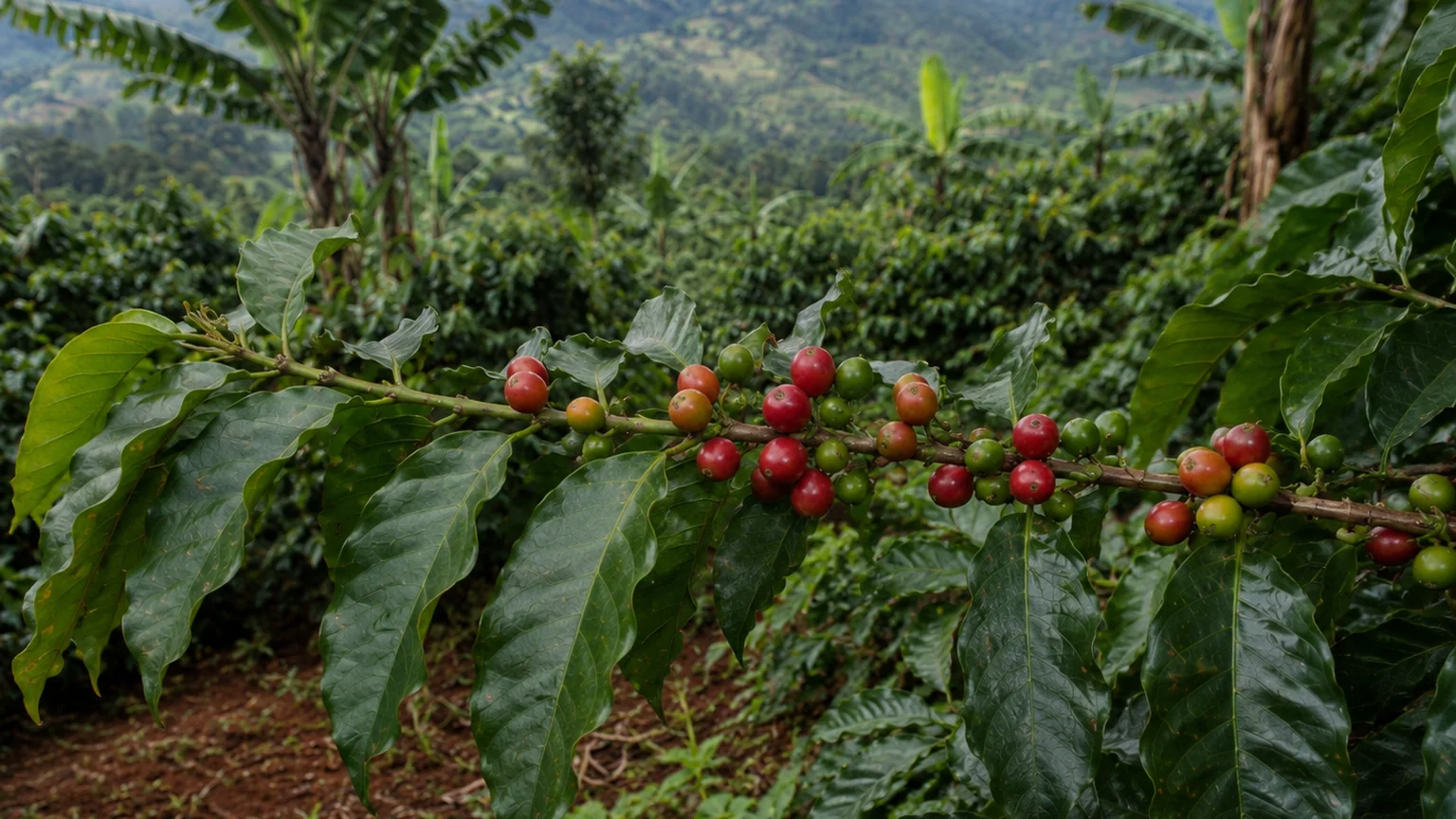
Tanzanian Arabica & Robusta
Certified organic Tanzanian green coffee from established farmer and processing networks, available to suit the buyer’s preferred origin, process, screen and quality profile.
KMG trades Tanzanian coffee, cocoa and avocados, together with African forest honey from established regional beekeeper networks. Each product moves through a single, accountable route to market.
KMG brings together established farmer networks, processing and storage infrastructure, quality controls, traceability and delivery execution within one coordinated supply platform.
Working closely with qualified origin partners under agreed operating procedures, KMG agrees acceptance criteria with each buyer and verifies the resulting quality, traceability and certification evidence. Factories, packhouses and warehouses operated by our partners support preparation at source. Where appropriate, qualified independent warehouses and specialist providers extend the operating chain. Visits to farms, facilities and aggregation points provide additional origin visibility when the trade or risk profile calls for it.
We remain the accountable commercial counterparty for documentation, physical movement and contractual handover through the agreed Incoterm delivery point. Availability, specification, certification scope, volume and shipment timing are confirmed for each mandate.
Each product is structured around the buyer’s required origin, grade, processing method, certification, packing, shipment window and delivery term. KMG confirms the available lot and supporting evidence before commitment.
Certified organic Tanzanian green coffee from established farmer and processing networks, available to suit the buyer’s preferred origin, process, screen and quality profile.
Tanzanian cocoa from established farmer networks. Current supply is conventional, with quality assessed against the processor or trader’s requirements.
Certified organic Tanzanian Hass and Fuerte avocados for fresh export, alongside certified organic crude avocado oil.
EU Organic and conventional African forest honey sourced through established regional smallholder beekeeper networks.
Certification statements refer to supply available through qualified origin partners. Current certificate scope, chain of custody requirements and lot eligibility are confirmed before contracting.
Complementary supply remains deliberately focused. KMG confirms current crop availability, product specification, packing, volume and shipment window before presenting a firm commercial offer.
Fresh ginger and dried chipped ginger supplied to agreed moisture, condition, packing and handling requirements.
Fresh · Dried chippedApple mangoes, Cavendish bananas and pineapples sourced around harvest windows, maturity, pack format and cold chain requirements.
Seasonal availabilityCashew kernels including W180, W240 and W320 grades, with processing status, packing and quality confirmed against the mandate.
Processors · DistributorsBlack pepper, cloves, cardamom and dried African Bird’s Eye chilli supplied against agreed grade, moisture, packing and cleanliness requirements.
Food processing · FMCGConventional sesame selected for direct consumption or processing, with purity, moisture, foreign matter and packing confirmed by lot.
ConventionalKMG defines the acceptance standard, aligns agreed operating procedures with qualified origin partners and verifies the records and physical controls supporting each lot.
Translate product, grade, certification, packing, volume, testing and documentation requirements into clear origin controls.
Review source identity, applicable certification, quality records, samples and controls at farmgate, processor, packhouse or aggregation point.
Maintain lot identity, separation of certified products, quantity reconciliation, storage discipline and controlled handovers.
Confirm required sampling, inspection, laboratory, packing and loading evidence before the product enters the delivery corridor.
Established smallholder networks provide depth, continuity and direct visibility at origin.
KMG brings qualified farmers, cooperatives, estates, processors and warehouses into the trade while retaining direct engagement with the source. Agreed operating procedures, appropriate verification and origin visits connect the buyer’s requirements to the conditions in which the product is produced, aggregated and prepared.
Review our sourcing principlesThe procurement route is selected around the product, the market and the mandate.
Alongside established supply backed by farmers, KMG can source selected coffee lots through regulated auction channels.
KMG evaluates source legitimacy, responsible operating practices, certification status and risks specific to the mandate, then preserves the agreed evidence through contractual delivery.
Connect the lot to the applicable farmer network, producer group, estate, processor or regulated auction record.
Review quality records, certification scope, supplier controls and the documentation required by the buyer.
Coordinate lot identity, separation of certified products, custody records and controlled handovers through movement.
Provide the agreed commercial, inspection, traceability and delivery documentation alongside the cargo record.
When requested by the client or required by the cargo risk profile, agricultural cargo is monitored for movement and condition through the agreed contractual handover.
Monitoring is configured around the product’s sensitivity to heat, humidity, light and handling. Our sensors can record location, temperature, humidity, light, impact and G force, with exception alerts transmitted when connectivity permits. Following delivery, the agreed journey and condition record is returned to the client.
Agricultural cargo cannot be treated as generic freight. KMG coordinates collection, processing, storage, border movement and export handling around the timing and quality sensitivities of each product.
Qualified farmer networks, estates, processors or approved auction channels.
Specification, certification, packing and documentation verified before release.
Controlled custody, trade documents, inland movement and export handling.
Delivery and evidence completed against the applicable Incoterm.
Backed by farmers. Integrated at origin. Accountable through delivery.